
Bobby Moore Lifts the World Cup for the ‘Ammers
It’s the advent of a New Order we’re seeing in European competition this week – Swansea’s highly impressive performance against fallen giants Valencia being the headline, but Wigan’s solid draw in Belgium also drawing praise. These are not names we’re used to seeing as our various clubs sally forth to uphold the good name of English football by giving Johnny Foreigner a good old punch on the boko (figuratively speaking, of course). The fact that most domestic teams consist of Johnny Foreigners in a ratio of about 8:3 is neither here not there. They’re British clubs and as they stomp all over some hapless bunch of continental also-rans, we feel a surge of pride – don’t we? Even Spurs are doing OK against some unlikely collection of Norwegian lumberjacks.
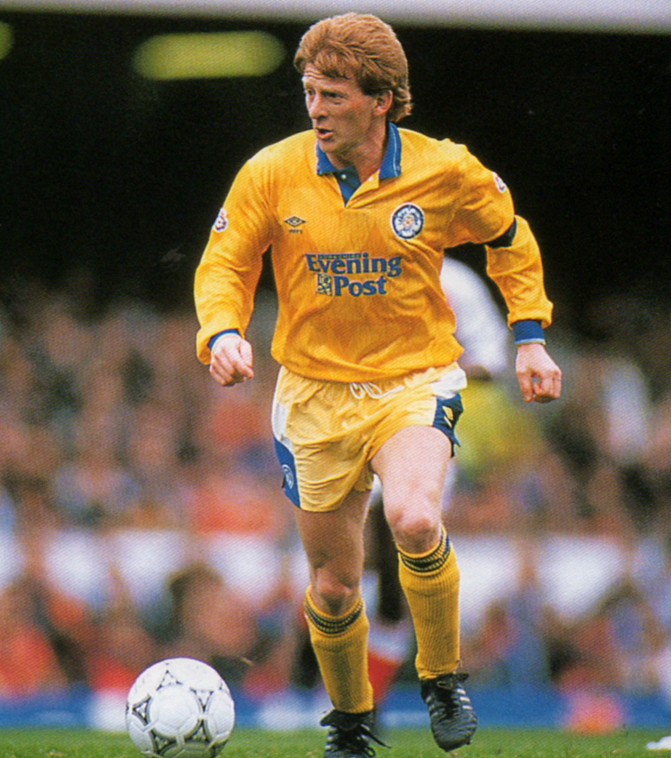
So what about the old names that have been replaced by these Johnny foreigner come latelies? Forest, Leeds, QPR and Derby all used to campaign successfully abroad, but their recent domestic record is of failure; all are currently embarked on varying programmes of recovery. And then of course, there’s West Ham. Whatever happened to them?
West Ham, you will recall (or possibly not) had a real European Reputation in the sixties, and even a partial one in the seventies. In three consecutive years from 1964 to 1966, the late, great Bobby Moore hoisted silverware at the old Wembley as West Ham won the FA Cup, then the Cup-Winners Cup and then famously the World Cup. That last one is a bit of a joke actually, although Hammers’ fans tell the tale seriously enough. After all, their captain lifted the Jules Rimet trophy in ’66 and their players scored the goals. But as former Irons winger of the time Harry Redknapp admits, even with Moore, Peters and Hurst, the Hammers finished an average of about 17th in that period. “It just goes to show how crap the other eight of us were”, remarked ‘Appy ‘Arry.
Therein, perhaps, lies West Ham’s real problem. They’ve just never quite made it as a Big Club, various shiny baubles notwithstanding. They have this East End identity, they reek of the Krays and Leslie Grantham and other criminal types. But as a serious football institution, they’re not quite there. Even their most famous fan, Alf Garnett, supports Spurs in real life. So the Hammers are left as a club with no real grasp on greatness, one whose main defining characteristics are the Bubbles Song and being generally recognised as bigger than Leyton Orient. That mid-sixties heyday was their zenith – by the grace of Ron Greenwood, a Pope John Paul II lookalike and future England supremo – and assisted by three world-class players who were content for a spell to be big fish in a small pond, the Hammers punched above their weight like some cocky rat boy from Bethnal Green. It couldn’t last, but while it did we became almost accustomed to the sight of a Hammers side fighting to conquer foreign fields – although in later years there would usually be an unhappy ending at the hands of Anderlecht or someone as West Ham met their Waterloo, and the Bubbles – well, burst.
So nowadays, if you want to look beyond the Big Lads at the top of the Premier League – and pending the return of fellow Euro-fighters like Leeds and Forest – it’s Wigan and Swansea we’ll be cheering on against those cross-channel types, whatever our domestic prejudices might be. It IS good to see British clubs doing well abroad – or at least most of them. Sadly it seems that the days of our youth when the famous claret and blue was well-known in stadia the length and breadth of UEFA – those days are probably gone forever and the best chance of the Hammers being in Europe again is if there’s a war. Still, you never know – and they certainly have a better chance than my beloved Leeds. For this season, at any rate.
Well done Wigan and Swansea, you did us proud.












 Life, Leeds United, the Universe & Everything